
Keratoconus Care
Clearer Vision for Irregular Corneas
Personalized evaluation and specialty contact lens options designed to help patients with keratoconus achieve clearer, more comfortable vision.
Understanding Keratoconus
What is Keratoconus?
The normally round cornea becomes thinner and more cone-shaped, which can cause distorted vision, increasing astigmatism, glare, halos, light sensitivity, frequent prescription changes, and difficulty seeing at night.
Scleral Lenses
Specialty Scleral Lenses for Keratoconus
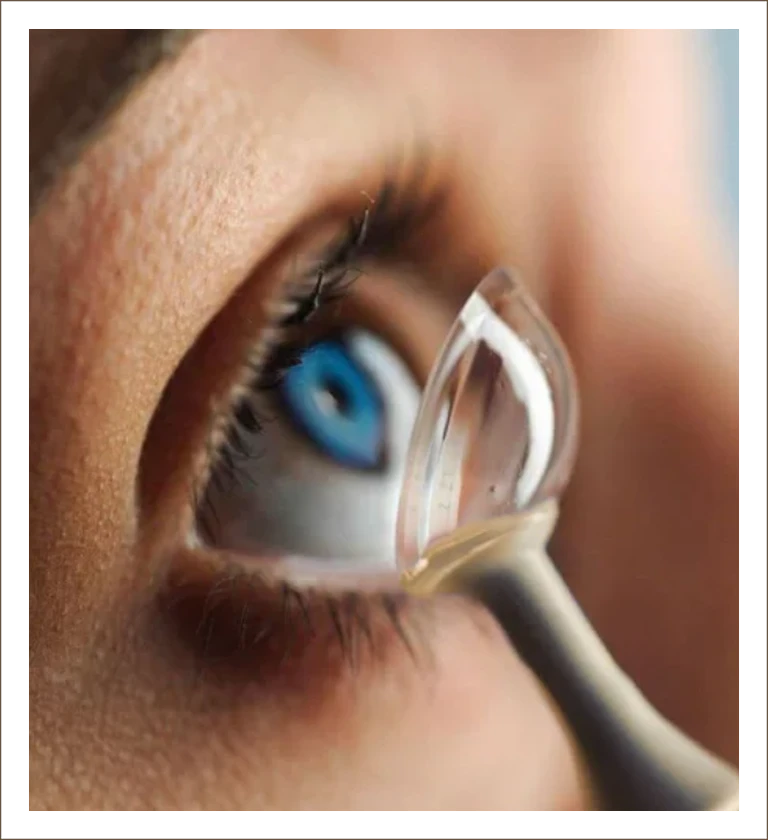
Scleral lenses vault over the irregular cornea and create a smoother optical surface, which can provide clearer and more comfortable vision for many patients with keratoconus.
Identifying Keratoconus
Through Advanced Testing
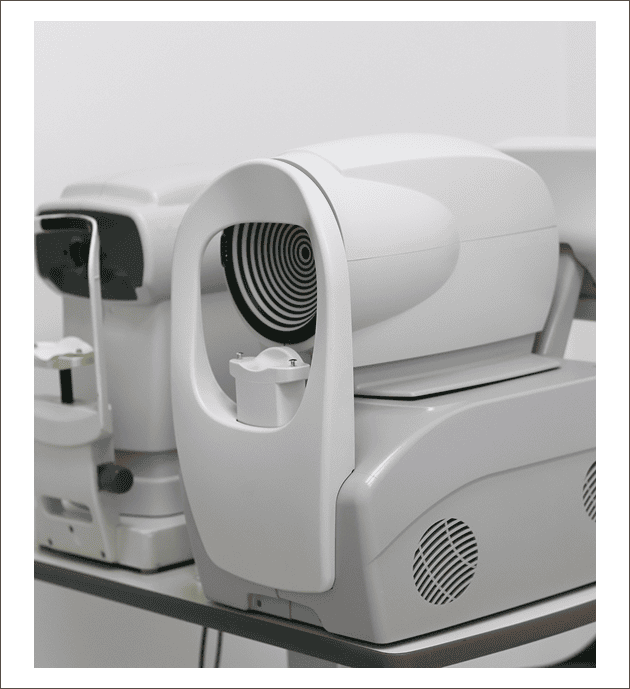
Keratoconus requires more than a standard vision check. Our eye care team uses specialized diagnostic tools to examine the condition of the cornea and monitor changes over time.
During your evaluation, testing may include:
Keratoconus often develops during the teenage years or early adulthood and may progress gradually over time. Early detection allows for better monitoring and treatment planning.
Recognizing the Signs of Keratoconus
Keratoconus symptoms can vary depending on the stage of the condition. Common signs include:
If your vision continues to change or your glasses no longer provide the clarity they once did, an eye examination can help determine whether keratoconus may be affecting your eyesight.

Treatment Options to
Manage Keratoconus
Treatment for keratoconus depends on the severity of the condition and your individual vision needs.
For some patients, updated glasses or specialty contact lenses may provide improved vision correction. More advanced cases may benefit from specialty lenses designed specifically for irregular corneas.
Treatment options may include:
Corneal cross-linking is a minimally invasive treatment designed to strengthen corneal tissue and slow further progression of keratoconus. By improving corneal stability, this treatment can help protect long-term vision.